

Dubai’s real estate market has continued to attract investors from around the world. With tax-free returns, strong rental yields, and a growing population, it remains one of the most attractive property markets globally even as Q1 2026 has brought a degree of moderation, with buyer sentiment easing in March amid regional geopolitical tensions.
Yet the market’s structural fundamentals, as confirmed by CBRE, remain exceptionally strong. One segment that reflects this continued confidence is off plan investment in Dubai. Investors are increasingly choosing this route because it allows early entry into projects with strong future potential.
There are off plan property risks and experienced investors know this. But they do not avoid them. They understand them, plan accordingly, and use that knowledge as a competitive advantage.
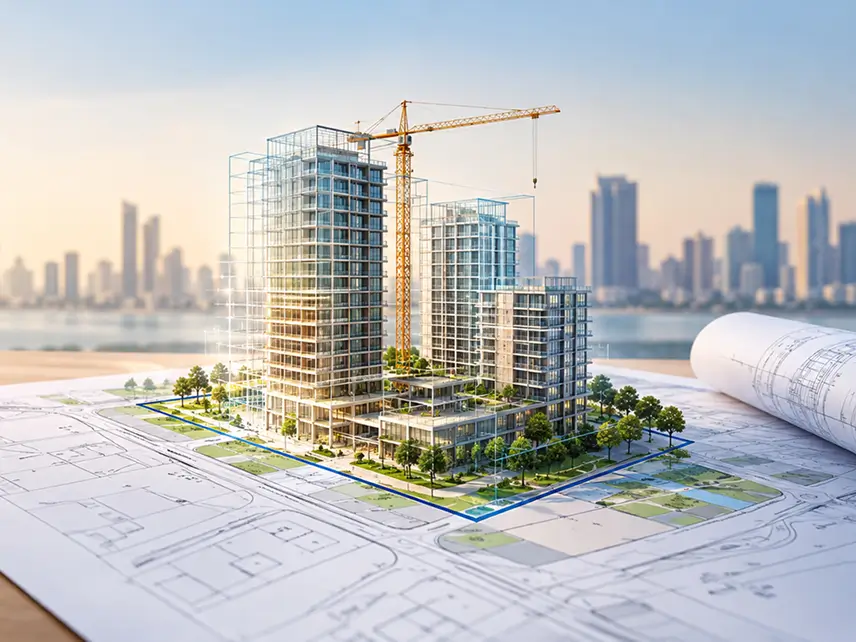
Off plan property refers to real estate that is purchased before construction is completed. In many cases, the property may not yet physically exist at the time of purchase.
Buyers make decisions based on:
This early-stage investment is what creates the opportunity for value growth.
Even with discussions around property risks Dubai, demand for off plan properties remains strong.
This is driven by several factors:
For many investors, this approach offers a structured way to enter the market and build long-term value.
Every investment comes with its own considerations. In Dubai, these risks are supported by regulations and can be managed with the right approach.
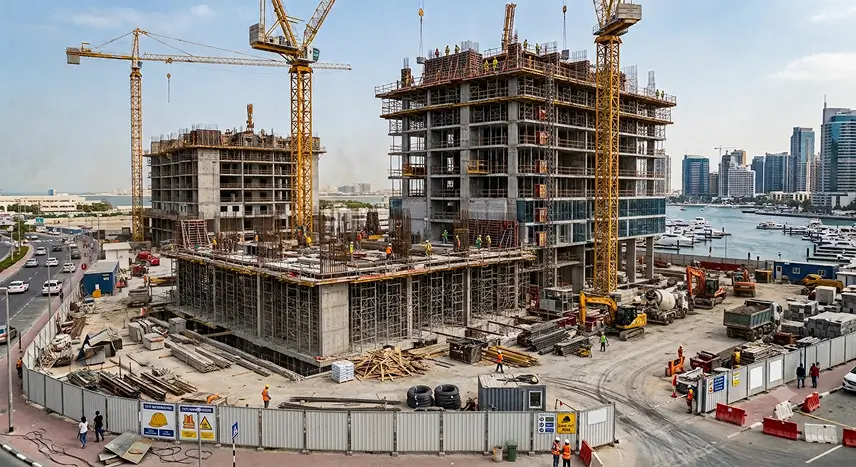
Delays in construction are one of the more common property risks Dubai investors may encounter.
However, Dubai has a well-regulated system:
With proper due diligence and project verification, this risk can be reduced significantly.
Off plan investment Dubai typically involves a payment plan over a period of time. Risk may arise if buyers are unable to meet scheduled payments.
This is less about the market and more about financial planning.
Investors who clearly assess their cash flow before committing are in a stronger position to manage this aspect effectively.
Real estate markets change over time, and price movement is part of any investment cycle.
Between purchase and completion, market conditions may shift due to supply, demand, or broader economic trends. Notably, March 2026 saw the first monthly price decline since the COVID-19 pandemic, driven by regional conflict involving the US, Israel and Iran. Transaction volumes dropped from approximately 16,000 to 13,000 month-on-month. This signals that geopolitical events, not just economic cycles, can create sudden sentiment shifts that investors must account for.
However, many investors view this as part of the long-term strategy. Entering at the right price and holding through completion often helps balance short-term fluctuations.
Since off plan properties are purchased before completion, buyers may have concerns about how closely the final product matches initial plans.
Dubai’s regulatory framework addresses this through:
Working with verified listings and transparent platforms helps reduce uncertainty in this area.
A few practical steps can make a significant difference:
These checks help investors make more informed decisions and reduce exposure to common risks
In a market where clarity is essential, access to accurate information plays a key role.
Gllit focuses on improving transparency in off plan investment Dubai by offering:
This approach allows investors to move forward with greater confidence and better visibility.
There are off plan property risks in Dubai, but they are not barriers to investment.
According to analysts at JLL, investors who enter the market during early project phases and focus on reputable developers tend to achieve stronger returns over time, even when accounting for short-term market fluctuations.
This reinforces the idea that while off plan property risks exist, they can be effectively managed with the right market awareness with reliable information and the right platform. This is where a solution like Gllit can make a meaningful difference.