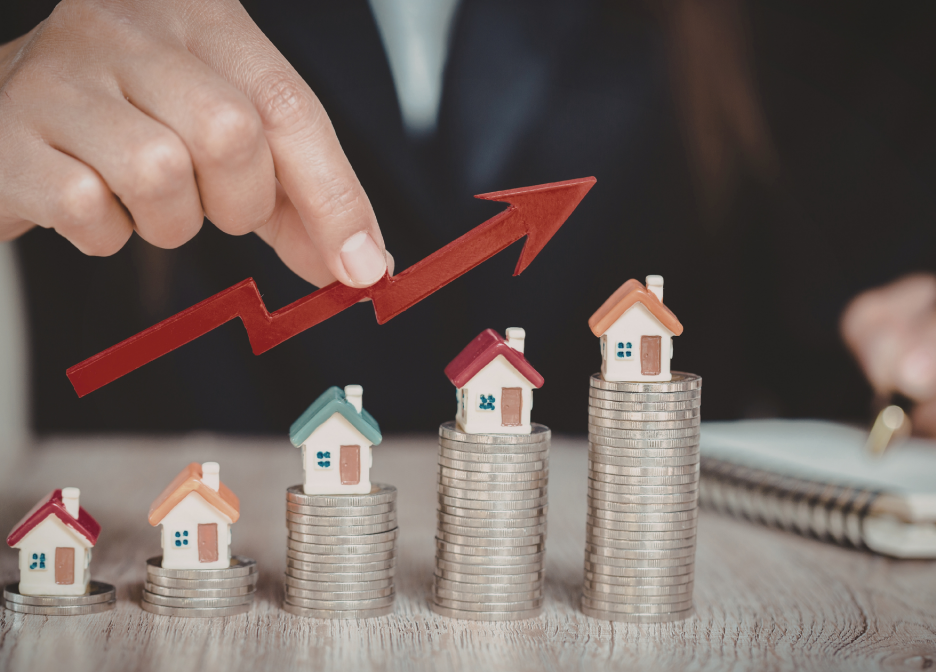
Property investment in Dubai is never only driven by present-day pricing. If you’re a long-term investor, you should look beyond current listings and focus on what the city is building next. Roads, metro lines, economic zones, and master-planned developments have historically played a decisive role in shaping capital appreciation across Dubai’s real estate market.
Government-led infrastructure projects directly influence accessibility, demand patterns, rental strength, and future resale value. For both local and overseas investors, understanding where Dubai is investing next will give a clearer picture of where property value is likely to grow over time.
This is where infrastructure-led analysis becomes essential when evaluating property investment in Dubai.
Infrastructure is a measurable key driver of price movement. Areas that benefit from new transport links, commercial hubs, or lifestyle destinations consistently see stronger buyer interest and improved liquidity.
When major infrastructure is announced or completed, three things usually follow:
This pattern has repeated across multiple development cycles in Dubai, making infrastructure planning one of the most reliable indicators for long-term property investment in Dubai.
Public transport expansion and connectivity upgrades
Dubai’s ongoing metro and road expansion plans continue to reshape how residents move across the city. Properties located near existing or planned transit corridors often attract higher tenant demand and show better resale performance over time.
Improved public transport access benefits:
Mid-income residential communities
Long-term rental markets
Investors targeting stable occupancy
Government transport initiatives outlined by Dubai’s Roads and Transport Authority highlight how mobility planning is tied directly to urban growth
Economic and mixed-use development zones
Large-scale development zones combine residential, commercial, retail, and leisure components into integrated districts. These areas tend to mature into self-sustaining ecosystems, which support long-term price stability. Dubai’s focus on mixed-use urban planning aligns with broader economic diversification goals outlined by the Dubai Economic Agenda.
For property investors, this translates into:
Broader tenant pools
Stronger resale demand
Reduced dependency on single-use demand cycles
Tourism and lifestyle infrastructure
Tourism remains a key pillar of Dubai’s economy. Infrastructure linked to tourism, including waterfront projects, entertainment districts, and hospitality corridors, continues to support short-term rental demand and long-term capital appreciation.
Data published by Dubai’s Department of Economy and Tourism shows how infrastructure investment directly supports visitor growth and residential demand in surrounding areas. This connection is particularly relevant for investors evaluating furnished apartments, serviced residences, and flexible-use properties.
Infrastructure rarely impacts prices overnight. Instead, value appreciation typically follows a phased pattern:
Understanding where an area sits within this cycle helps investors avoid overpaying while positioning themselves for future growth.
Platforms that provide historical price movement and area-level data help investors assess this timing more accurately when planning property investment in Dubai.
Successful investors rely on data, not assumptions. Analysing price trends, transaction volumes, and demand shifts before and after infrastructure delivery provides a clearer picture of future performance.
On GLLIT, we encourage investors to evaluate properties in the context of:
This approach allows users to connect infrastructure planning with actual market behavior rather than speculation.
Investors focused on capital appreciation often target locations near upcoming infrastructure rather than fully developed zones. Entry prices tend to be more reasonable, while long-term upside is stronger once projects are delivered.
For those prioritising rental yield, infrastructure that improves accessibility and lifestyle convenience plays a key role in tenant retention and occupancy stability.
Both approaches rely on understanding how infrastructure shapes liability, not just price charts.
GLLIT seeks to empower users to assess property investment in Dubai through a practical, data-backed lens. We provide various resources, guides, and in-house experts who can help investors make informed decisions grounded in market fundamentals rather than speculation. As the market evolves, we will continue to roll out new features and data-driven capabilities, including an AI-powered market-insights feature that will be introduced in a future update. Instead of generic listings, buyers and investors can compare areas based on real market behavior and long-term potential.
Key platform journeys include:
Each step supports informed decision-making grounded in location intelligence rather than marketing claims.
Dubai’s infrastructure planning is supported by public disclosures from government authorities and regulatory bodies such as the Dubai Land Department, Roads and Transport Authority, alongside strategic frameworks like the Dubai Economic Agenda. This transparency allows investors to align property decisions with confirmed development plans rather than speculation.
Property investment in Dubai is closely tied to the city’s infrastructure roadmap. Transport links, economic zones, and lifestyle developments consistently shape where demand flows and how property values evolve over time.
Investors who understand these patterns are better positioned to anticipate growth, manage risk, and align purchases with future demand rather than current hype. This guide from GLLIT seeks to promote infrastructure awareness through market data and platform-level insights, helping investors plan for and create long-term value with greater predictability and confidence.
For investors seeking clarity beyond listings, infrastructure-led analysis remains one of the most reliable tools in planning successful property investment in Dubai.