

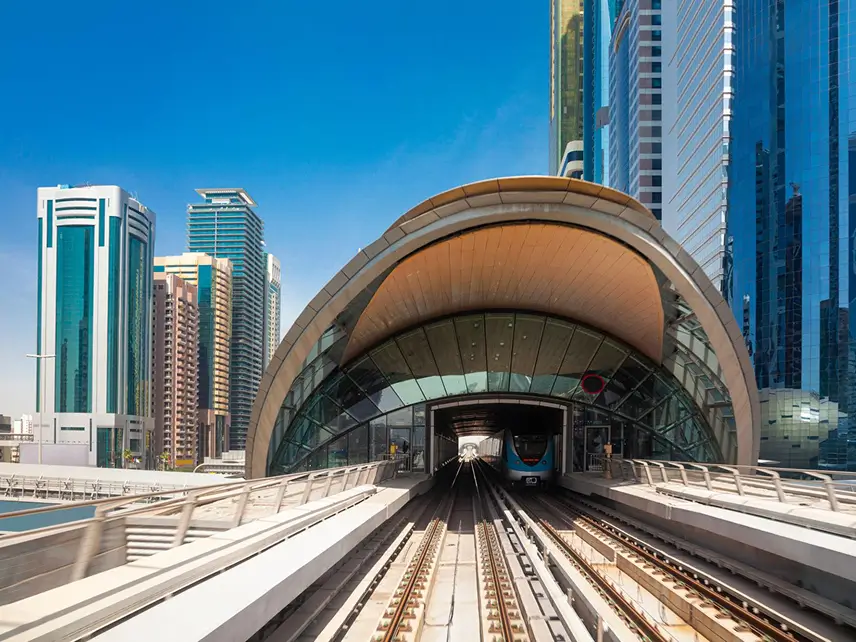
Dubai’s infrastructure growth continues to reshape the city’s real estate. Two major metro expansions are now driving that change – the Blue Line, with its foundation stone laid in June 2025, and the newly approved Gold Line, announced in April 2026.
For landlords near Al Seba Street, the Gold Line matters most. Dubai Marina is a confirmed stop on the route, which means improved connectivity is no longer a possibility, it’s a plan. And like most things in Dubai, the impact on tenant demand and property values is already beginning to be felt before a single station opens.
Al Seba Street, situated within walking distance of prominent Marina landmarks, is already well-served by the DMCC Metro Station and the Dubai Tram. The Gold Line adds a direct underground connection to Dubai Marina, strengthening what is already one of the most transit-rich corridors in the city.
What does that mean in practice?
The infrastructure isn’t completely built out, it’s got development written all over it. As with many sectors in Dubai, the expectation alone can fuel tenant and buyer sentiment well ahead of handover.
If we look historically, the areas that are more connected to public transport show better rental yields and give long-term capital appreciation. This case was observed even when the Red Line of Dubai Metro was opened, and market response implies a repeat along the Dubai Metro expansion corridors.
For landlords on Al Seba Street, the real-world implications are already visible:
While the infrastructure is on a regular upgrade, the opportunities before the demand are also at their peak. Here’s how to get ready as a Dubai landlord.
Many projects across the UAE aim to improve lifestyle and accessibility. However, metro-related developments hold a more immediate and measurable influence on Dubai property market metrics.
Unlike general beautification or commercial construction, metro connectivity directly affects daily convenience and, by extension, property decisions. For Al Seba Street landlords, this is a rare opportunity to realign investment performance with wider city-level upgrades.
At GLLIT, we monitor not just listings and closings but the movement behind the market.
Through our platform, landlords can:
We’re not here to overpromise. We provide clarity, backed by current data and local context, so your property decisions are timely and well-grounded without any commission
The Dubai Metro expansion is more than a transportation story. For landlords holding properties near Al Seba Street, it’s an indicator of increased competitiveness and a reason to prepare now. Pricing, listing appeal, and even tenant turnover may shift over the next 12–18 months. Those who adjust early are more likely to benefit from the uplift, while others may find themselves reacting after the market has already shifted.
At GLLIT, we’re committed to helping you plan ahead, act smart, and maximize value with no commission, no sales pressure, and no missed opportunities.